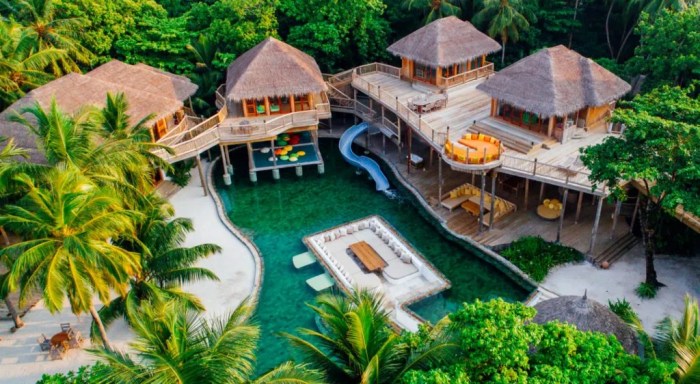
Embark on a journey to Eco-Friendly Natural Retreats, where sustainability meets tranquility in the heart of nature. This immersive experience promises a blend of eco-conscious practices and serene landscapes, inviting you to explore a harmonious retreat like never before.
Delve into the essence of eco-friendly natural retreats and discover a world where conservation and comfort intertwine seamlessly.
Eco-Friendly Natural Retreats
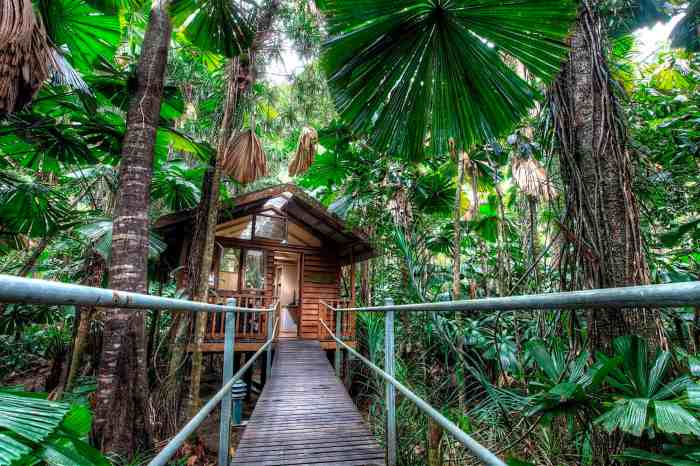
Eco-friendly natural retreats are accommodations or destinations that prioritize sustainable and environmentally friendly practices in their operations. These retreats aim to minimize their impact on the environment while providing a peaceful and rejuvenating experience for guests.
Importance of Sustainable Practices in Natural Retreats
Sustainable practices in natural retreats play a crucial role in preserving the beauty and integrity of the surrounding environment. By implementing eco-friendly initiatives, these retreats contribute to conservation efforts and promote responsible tourism.
- Using renewable energy sources such as solar or wind power to reduce carbon footprint.
- Implementing water conservation measures like rainwater harvesting and low-flow fixtures.
- Utilizing organic and locally sourced materials for construction and amenities to support local communities and reduce transportation emissions.
- Creating wildlife habitats and protecting biodiversity within the retreat premises.
Examples of Eco-Friendly Initiatives in Natural Retreats
Many natural retreats around the world have embraced eco-friendly initiatives to enhance sustainability and promote environmental stewardship.
- Establishing recycling programs and waste reduction strategies to minimize landfill waste.
- Offering farm-to-table dining experiences with organic produce grown on-site or sourced from local farmers.
- Providing eco-friendly amenities such as biodegradable toiletries and reusable water bottles to reduce plastic waste.
- Organizing nature conservation and community outreach programs to educate guests and locals about environmental protection.
Elements of Eco-Friendly Natural Retreats
When it comes to eco-friendly natural retreats, several key elements play a crucial role in ensuring sustainability and minimizing environmental impact.
Green Building Materials
Green building materials are a fundamental component of eco-friendly natural retreats as they promote energy efficiency, reduce waste, and minimize the carbon footprint of construction projects. Some common examples of green building materials include:
- Bamboo: Known for its rapid growth and renewability, bamboo is a popular choice for flooring, furniture, and structural elements in eco-friendly retreats.
- Recycled Wood: Reclaimed or recycled wood from old structures can be used for various purposes, reducing the need for new timber and preventing deforestation.
- Straw Bales: Straw bales provide excellent insulation and are often used in the construction of walls in eco-friendly buildings.
Renewable Energy Sources
Integrating renewable energy sources is another essential aspect of eco-friendly natural retreats, helping reduce reliance on fossil fuels and lowering energy costs. Some common renewable energy sources utilized in natural retreats include:
- Solar Power: Solar panels can be installed to harness the sun’s energy and generate electricity for heating, lighting, and other electrical needs.
- Wind Power: Wind turbines can be used to capture wind energy and convert it into electricity, providing a sustainable power source for the retreat.
- Hydroelectric Power: In areas with flowing water, hydroelectric systems can be implemented to generate electricity without producing greenhouse gas emissions.
Waste Management Strategies
Effective waste management is crucial for maintaining the ecological balance of eco-friendly natural retreats and preventing environmental degradation. Some waste management strategies commonly employed in these retreats include:
- Composting: Organic waste from kitchens and gardens can be composted to create nutrient-rich soil for landscaping and gardening purposes.
- Recycling: Implementing a comprehensive recycling program helps reduce the amount of waste sent to landfills and conserves valuable resources.
- Waste Reduction: By promoting the use of reusable products and minimizing packaging waste, eco-friendly retreats can significantly decrease their environmental footprint.
Benefits of Eco-Friendly Natural Retreats
Choosing to stay in eco-friendly accommodations offers a range of benefits that go beyond just a comfortable place to relax.
Positive Impact on the Environment
Eco-friendly natural retreats are designed to minimize their impact on the environment by using sustainable practices such as renewable energy sources, water conservation measures, and waste reduction strategies. By staying in such accommodations, guests can contribute to the preservation of natural resources and help reduce their carbon footprint.
Health Benefits of Natural Retreat Settings
Being in a natural retreat setting surrounded by greenery and fresh air can have numerous health benefits. Studies have shown that spending time in nature can reduce stress, improve mood, boost immune function, and enhance overall well-being. Eco-friendly natural retreats provide the perfect environment for guests to unwind, rejuvenate, and reconnect with nature.
Designing an Eco-Friendly Natural Retreat
When it comes to designing an eco-friendly natural retreat, there are key principles that should be followed to ensure sustainability and harmony with the environment.
Key Principles for Designing and Planning Eco-Friendly Retreats
- Utilize sustainable materials such as reclaimed wood, bamboo, and recycled glass to reduce environmental impact.
- Maximize natural light and ventilation to minimize energy consumption.
- Implement rainwater harvesting and greywater recycling systems to reduce water usage.
- Incorporate passive solar design techniques to optimize energy efficiency.
- Prioritize native landscaping to support local biodiversity and reduce the need for irrigation.
Tips on Incorporating Sustainable Landscaping in Natural Retreats
- Choose native plants that require less water and maintenance, reducing the need for irrigation.
- Use permeable materials for pathways and driveways to promote water infiltration and reduce runoff.
- Implement a composting system to recycle organic waste and enrich the soil naturally.
- Create wildlife habitats such as birdhouses and pollinator gardens to support local ecosystems.
Integration of Nature-Inspired Elements in the Design of a Retreat
- Incorporate natural materials like stone, wood, and earth tones to blend the retreat seamlessly with its surroundings.
- Create outdoor living spaces that mimic the natural landscape, such as a wooden deck overlooking a scenic view.
- Add elements like water features or fire pits to enhance the sensory experience and connect guests with nature.
- Design buildings with large windows and open floor plans to maximize views and create a sense of openness and connection to the outdoors.
As we conclude our exploration of Eco-Friendly Natural Retreats, we reflect on the profound impact of sustainable living and the rejuvenating power of nature. Embrace this eco-conscious lifestyle and immerse yourself in the beauty of natural retreats for a truly transformative experience.
User Queries
What are some common eco-friendly initiatives in natural retreats?
Examples include water conservation measures, recycling programs, and the use of organic materials in construction.
How do eco-friendly retreats contribute to environmental conservation?
By implementing sustainable practices like renewable energy sources and waste management strategies, eco-friendly retreats minimize their ecological footprint.
Are there health benefits associated with staying in natural retreats?
Yes, being in a natural retreat setting can reduce stress, boost mood, and improve overall well-being due to the calming effects of nature.