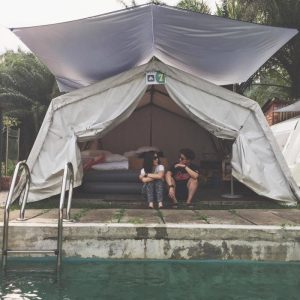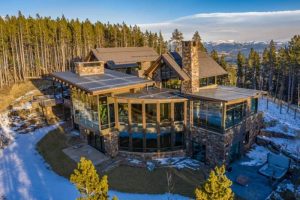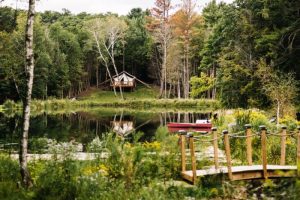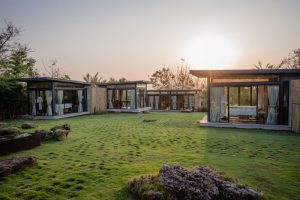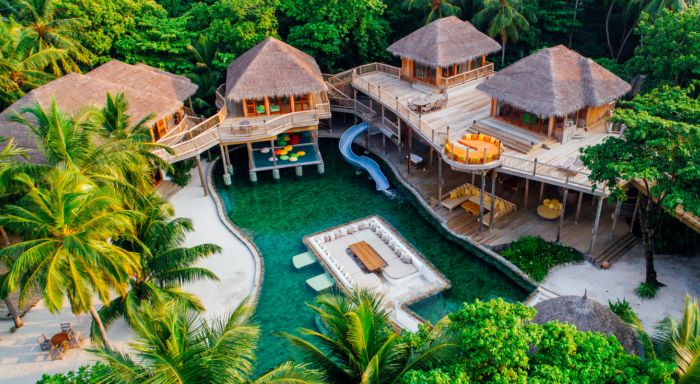
Embark on a journey through the world of Sustainable Natural Retreats, where eco-conscious practices meet serene getaways in perfect harmony. Discover the allure of these environmentally-friendly escapes and the positive impact they have on our planet.
Sustainable Natural Retreats
Sustainable natural retreats are eco-friendly accommodations that are designed and operated with a focus on minimizing environmental impact and preserving natural resources. These retreats aim to provide guests with a rejuvenating experience while promoting sustainability and conservation.
Benefits of Choosing Sustainable Natural Retreats
- Reduced Carbon Footprint: Sustainable retreats often utilize renewable energy sources such as solar or wind power, helping to reduce greenhouse gas emissions.
- Promotion of Biodiversity: By preserving the surrounding ecosystems, sustainable retreats support local flora and fauna, contributing to biodiversity conservation.
- Healthier Environment: Sustainable practices like using non-toxic materials and promoting waste reduction create a healthier environment for guests and wildlife.
- Connection to Nature: Sustainable retreats are typically located in scenic natural settings, offering guests an immersive experience in nature and promoting a sense of well-being.
Integrating Sustainable Practices in Design and Operation
Implementing sustainability in natural retreats involves various strategies from construction to daily operations:
| Green Building Design | Utilizing eco-friendly materials, energy-efficient systems, and passive design techniques to reduce energy consumption and environmental impact. |
| Water Conservation | Implementing water-saving fixtures, rainwater harvesting, and greywater recycling to minimize water usage and protect local water sources. |
| Waste Management | Practicing waste segregation, recycling, and composting to reduce landfill waste and promote a circular economy within the retreat. |
| Community Engagement | Involving local communities in sustainable initiatives, supporting local businesses, and sharing knowledge on conservation practices to create a positive impact beyond the retreat. |
Elements of a Sustainable Natural Retreat
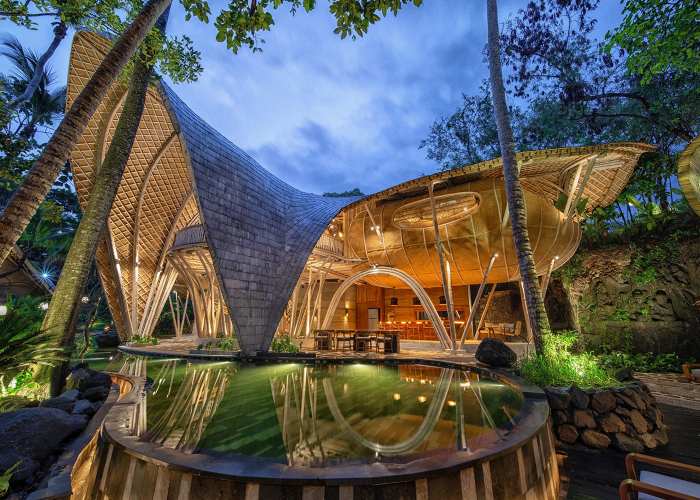
Creating a sustainable natural retreat involves incorporating various key elements that focus on minimizing environmental impact and promoting conservation efforts.
Utilization of Renewable Energy Sources
One crucial aspect of a sustainable natural retreat is the utilization of renewable energy sources such as solar, wind, or hydroelectric power. By harnessing these clean energy sources, the retreat can reduce its carbon footprint and reliance on non-renewable resources.
Importance of Sustainable Materials and Construction Practices
Using sustainable materials and construction practices is essential in building a natural retreat that aligns with environmental goals. This includes opting for eco-friendly building materials like reclaimed wood, bamboo, or recycled materials. Additionally, implementing energy-efficient designs and construction techniques can further enhance the sustainability of the retreat.
Biodiversity Conservation
Biodiversity conservation plays a crucial role in the sustainability of natural retreats by preserving the variety of plant and animal species within the ecosystem. This helps maintain the balance of the ecosystem, ensuring its long-term health and resilience to external threats.
Initiatives for Biodiversity Conservation
- Implementing habitat restoration projects to create suitable environments for native species to thrive.
- Establishing protected areas within the natural retreat to safeguard critical habitats and species.
- Introducing sustainable land management practices to minimize habitat destruction and fragmentation.
- Engaging in community education and involvement programs to raise awareness about the importance of biodiversity conservation.
Impact of Biodiversity on Sustainability
Biodiversity directly impacts the overall sustainability of a natural retreat by contributing to ecosystem services such as pollination, nutrient cycling, and pest control. A diverse ecosystem is more resilient to environmental changes and can better adapt to disturbances, making the natural retreat more sustainable in the long run.
Nature-Based Experiences
Nature-based experiences at sustainable natural retreats offer visitors a unique opportunity to connect with the environment in a meaningful way. These experiences not only provide a chance to unwind and relax but also create a sense of appreciation and respect for nature.
Types of Nature-Based Experiences
- Guided nature hikes through the surrounding wilderness
- Kayaking or canoeing on nearby rivers or lakes
- Stargazing and astronomy sessions in unpolluted night skies
- Wildlife watching tours to observe local flora and fauna
- Outdoor yoga and meditation classes in serene natural settings
Benefits of Connecting with Nature
- Reduces stress and promotes mental well-being
- Increases physical activity and overall health
- Fosters a sense of wonder and awe for the natural world
- Encourages mindfulness and presence in the moment
Designing Experiences for Environmental Awareness
- Include educational components to teach visitors about local ecosystems and conservation efforts
- Offer volunteer opportunities for guests to participate in restoration projects
- Limit the environmental impact of activities by following sustainable practices
- Collaborate with local conservation organizations to support ongoing initiatives
Community Engagement and Local Economy
Community engagement plays a crucial role in the development of sustainable natural retreats as it fosters positive relationships, builds trust, and ensures the well-being of both the environment and the local residents.
Supporting the Local Economy
Natural retreats can support the local economy by providing job opportunities, sourcing goods and services locally, and promoting tourism that benefits the community as a whole.
- Creating employment opportunities for local residents, such as guides, staff, and artisans, helps boost the economy and reduce unemployment rates.
- Sourcing products and services locally, from food to building materials, not only supports local businesses but also reduces the carbon footprint of the retreat.
- Promoting tourism through nature-based experiences attracts visitors to the area, leading to increased revenue for local businesses, such as restaurants, accommodations, and shops.
Partnerships with Local Communities
Successful partnerships between natural retreats and local communities are essential for mutual benefit, sustainability, and the preservation of cultural heritage.
- Collaborating with local artisans to showcase their crafts and traditions can help preserve cultural heritage while providing unique experiences for guests.
- Engaging in community projects, such as reforestation initiatives or wildlife conservation programs, fosters a sense of ownership and pride among residents, leading to long-term sustainability.
- Offering educational programs or workshops for locals can enhance skills, knowledge, and capacity within the community, creating a more resilient and self-sufficient economy.
Designing Sustainable Infrastructure
Incorporating sustainable infrastructure designs into natural retreats is crucial for minimizing environmental impact and promoting eco-friendly practices. By utilizing various eco-friendly building techniques, natural retreats can enhance their sustainability and contribute to the preservation of the surrounding ecosystems.
Comparison of Eco-Friendly Building Techniques
- Green Roofs: Green roofs are effective in reducing energy consumption, managing stormwater runoff, and providing habitat for wildlife. They also help insulate buildings, reducing the need for heating and cooling.
- Solar Panels: Solar panels are a renewable energy source that can power buildings with clean energy. They reduce reliance on fossil fuels and lower carbon emissions.
- Passive Design: Passive design techniques focus on maximizing natural light, ventilation, and thermal comfort within buildings. This reduces the need for artificial heating and cooling systems.
Challenges and Benefits of Integrating Sustainable Infrastructure
- Challenges:
- Cost: Initial investment in sustainable infrastructure may be higher, although long-term savings on energy costs can offset this.
- Technical Expertise: Implementing sustainable design requires specialized knowledge and skills that may not be readily available.
- Regulatory Hurdles: Building codes and regulations may not always align with sustainable practices, creating obstacles for implementation.
- Benefits:
- Environmental Conservation: Sustainable infrastructure reduces carbon footprint, conserves resources, and protects biodiversity.
- Cost Savings: Energy-efficient buildings lower operational costs over time, resulting in financial savings for retreat owners.
- Enhanced Reputation: Natural retreats that prioritize sustainability attract environmentally conscious guests and enhance their reputation as eco-friendly destinations.
In conclusion, Sustainable Natural Retreats offer a unique blend of sustainability and relaxation, paving the way for a greener future in the realm of travel and hospitality. Embrace nature, support local communities, and indulge in experiences that leave a lasting impression on both your soul and the environment.
FAQ Overview
What makes a natural retreat sustainable?
A natural retreat is considered sustainable when it incorporates eco-friendly practices in its design, operations, and overall ethos to minimize environmental impact.
How do sustainable natural retreats support local economies?
Sustainable natural retreats create opportunities for the local community through job creation, sourcing local products, and fostering partnerships with nearby businesses.
Why is biodiversity conservation crucial for sustainable natural retreats?
Biodiversity conservation ensures the preservation of ecosystems, wildlife, and natural resources, contributing to the overall sustainability and ecological balance of natural retreats.