Embark on a journey to explore the serene beauty of natural retreats in the wilderness, where tranquility meets adventure in the heart of nature. From enchanting forests to majestic mountains, discover the allure of these secluded getaways that offer a unique escape from the hustle and bustle of everyday life.
Delve into the essence of natural retreats as we uncover the charm and rejuvenating experiences they provide for those seeking solace amidst the untouched wilderness.
NATURAL RETREATS
Natural retreats in the wilderness are tranquil and secluded locations where individuals can escape the hustle and bustle of everyday life to reconnect with nature. These retreats offer a peaceful environment surrounded by natural beauty, providing an opportunity to unwind, relax, and rejuvenate.
Examples of Popular Natural Retreats
- Yellowstone National Park, USA: Known for its geothermal features, wildlife, and stunning landscapes, Yellowstone offers a unique natural retreat experience.
- Amazon Rainforest, Brazil: The largest tropical rainforest in the world, the Amazon provides a truly immersive and adventurous natural retreat for those seeking a wilderness escape.
- Blue Mountains, Australia: A UNESCO World Heritage site, the Blue Mountains offer breathtaking views, diverse wildlife, and numerous hiking trails for visitors to explore.
Benefits of Choosing a Natural Retreat
Opting for a natural retreat for a getaway can have numerous benefits for both physical and mental well-being:
- Stress Relief: Being surrounded by nature can help reduce stress levels and promote relaxation.
- Health Benefits: Fresh air, outdoor activities, and clean surroundings can contribute to improved physical health.
- Mental Clarity: Disconnecting from technology and immersing oneself in nature can enhance mental clarity and focus.
- Spiritual Renewal: Many natural retreats offer a sense of peace and spiritual connection with the environment, allowing for introspection and self-discovery.
WILDERNESS SETTINGS
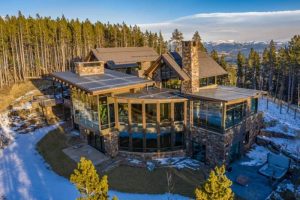
The ideal characteristics of a wilderness setting for a natural retreat include seclusion, tranquility, and a strong connection to nature. These settings are often remote, offering a break from the hustle and bustle of everyday life, allowing guests to immerse themselves in the beauty of the natural world.When it comes to different types of wilderness settings suitable for retreats, there are various options to consider.
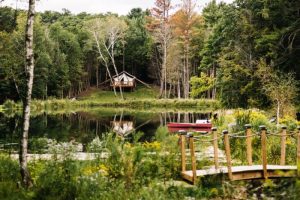
Mountains provide stunning views, fresh mountain air, and opportunities for hiking and outdoor activities. Forests offer a sense of peace and serenity, with lush greenery and wildlife encounters. Beaches provide a relaxing atmosphere, the sound of waves crashing, and beautiful sunsets over the water.The wilderness setting plays a crucial role in enhancing the overall experience of a natural retreat. It allows guests to unplug from technology, reconnect with themselves, and appreciate the beauty of the world around them.
The sense of isolation and immersion in nature can help reduce stress, improve mental well-being, and foster a deep sense of relaxation and rejuvenation.
ACTIVITIES AND EXPERIENCES
In a natural retreat within the wilderness, guests can engage in a variety of activities that allow them to connect with nature on a deeper level. These experiences offer a unique opportunity to unwind, rejuvenate, and appreciate the beauty of the natural surroundings.
Outdoor Adventures
- Hiking through scenic trails
- Canoeing or kayaking on tranquil lakes or rivers
- Mountain biking through rugged terrains
- Wildlife spotting and birdwatching
Wellness and Relaxation
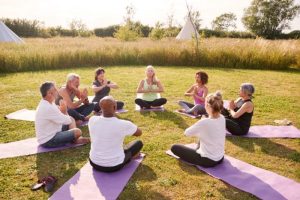
- Yoga and meditation sessions in serene outdoor settings
- Guided nature walks for mindfulness and grounding
- Stargazing under the clear night sky
- Spa treatments using natural ingredients
Cultural Immersion
- Learning about indigenous traditions and practices
- Participating in storytelling sessions around a campfire
- Cooking classes featuring local ingredients
- Art and craft workshops inspired by nature
Accommodations
When staying at a natural retreat in the wilderness, you have a variety of accommodations to choose from to enhance your experience and immerse yourself in nature.Accommodations at natural retreats are designed to blend seamlessly with the surrounding environment, offering a harmonious and sustainable living experience. From cozy cabins nestled in the woods to safari tents perched on the edge of a river, each accommodation option is carefully crafted to minimize impact on the environment while providing comfort and relaxation.
Types of Accommodations
- Cabins: Rustic yet comfortable cabins offer a cozy retreat in the heart of nature, providing a warm and inviting space to relax after a day of outdoor adventures.
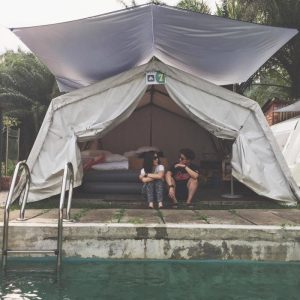
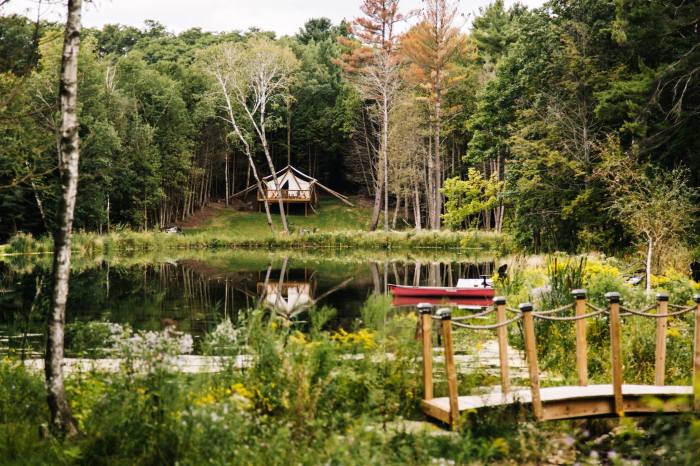
- Tents: Safari-style tents allow you to experience the thrill of camping without sacrificing comfort, with amenities like cozy beds and private bathrooms.
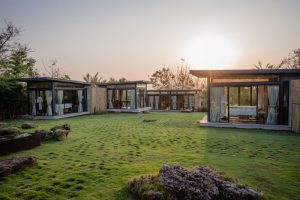
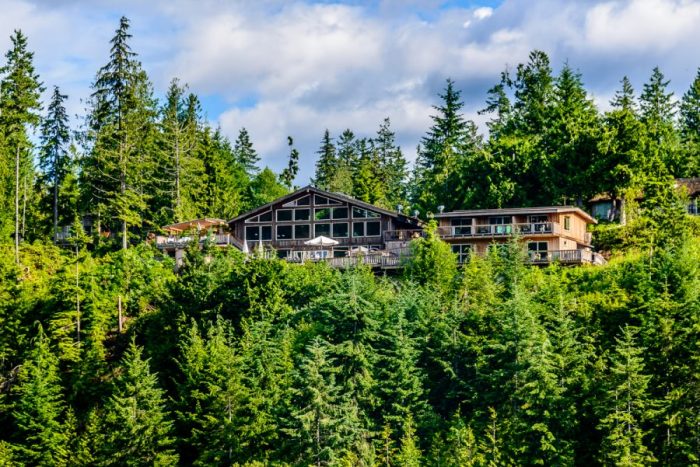
- Eco-Lodges: Sustainable eco-lodges are designed to minimize their environmental footprint while offering modern amenities and stunning views of the wilderness.
Choosing the Right Accommodation
- Consider your comfort level: If you prefer a more rustic experience, a cabin or tent may be the perfect choice. For those seeking a bit more luxury, an eco-lodge could be the ideal option.
- Location: Think about the surroundings you want to wake up to each morning. Whether you prefer a forest view, a riverside setting, or a mountain backdrop, choose an accommodation that offers the scenery you desire.
- Amenities: Take into account the amenities offered at each accommodation type. Whether you prioritize a private bathroom, a cozy fireplace, or a spacious deck, make sure your chosen accommodation meets your needs.
SUSTAINABILITY AND CONSERVATION
Ensuring sustainability and conservation are at the core of natural retreats in wilderness settings. By implementing eco-friendly initiatives and contributing to conservation efforts, these retreats play a vital role in protecting the environment for future generations to enjoy.
Eco-Friendly Initiatives
Wilderness retreats often prioritize eco-friendly practices to minimize their ecological footprint. Some common initiatives include:
- Using renewable energy sources such as solar power or hydroelectricity to reduce reliance on fossil fuels.
- Implementing recycling programs and encouraging guests to reduce, reuse, and recycle during their stay.
- Supporting local and organic food suppliers to promote sustainable agriculture and reduce carbon emissions from food transportation.
- Utilizing green building materials and designs to ensure minimal impact on the surrounding ecosystem.
Conservation Efforts
Natural retreats also actively participate in conservation efforts to protect the environment and preserve biodiversity. Some ways in which these retreats contribute to conservation include:
- Partnering with local conservation organizations to support habitat restoration projects and wildlife protection initiatives.
- Offering educational programs to raise awareness about environmental issues and inspire guests to become stewards of the land.
- Implementing sustainable land management practices to prevent soil erosion, maintain water quality, and protect natural habitats.
- Engaging in reforestation projects to offset carbon emissions and enhance the natural beauty of the wilderness surroundings.
As we conclude our exploration of natural retreats in the wilderness, the echoes of nature’s symphony linger in our hearts, reminding us of the unparalleled beauty and tranquility found in these hidden gems. Embrace the call of the wild and immerse yourself in the wonders of these natural havens for an unforgettable escape into the heart of the wilderness.
Expert Answers
What types of accommodations are available at natural retreats in the wilderness?
Accommodations range from cozy cabins and tents to eco-lodges, blending seamlessly with the surrounding environment to provide a unique and immersive experience.
How do activities at natural retreats help guests connect with nature?
Activities like hiking, wildlife spotting, and stargazing allow guests to immerse themselves in the natural surroundings, fostering a deeper appreciation for the wilderness.
What sustainability practices are crucial for maintaining natural retreats?
Implementing eco-friendly initiatives such as recycling programs, energy conservation, and supporting local communities are vital for ensuring the preservation of these pristine environments.