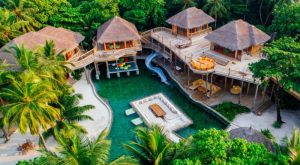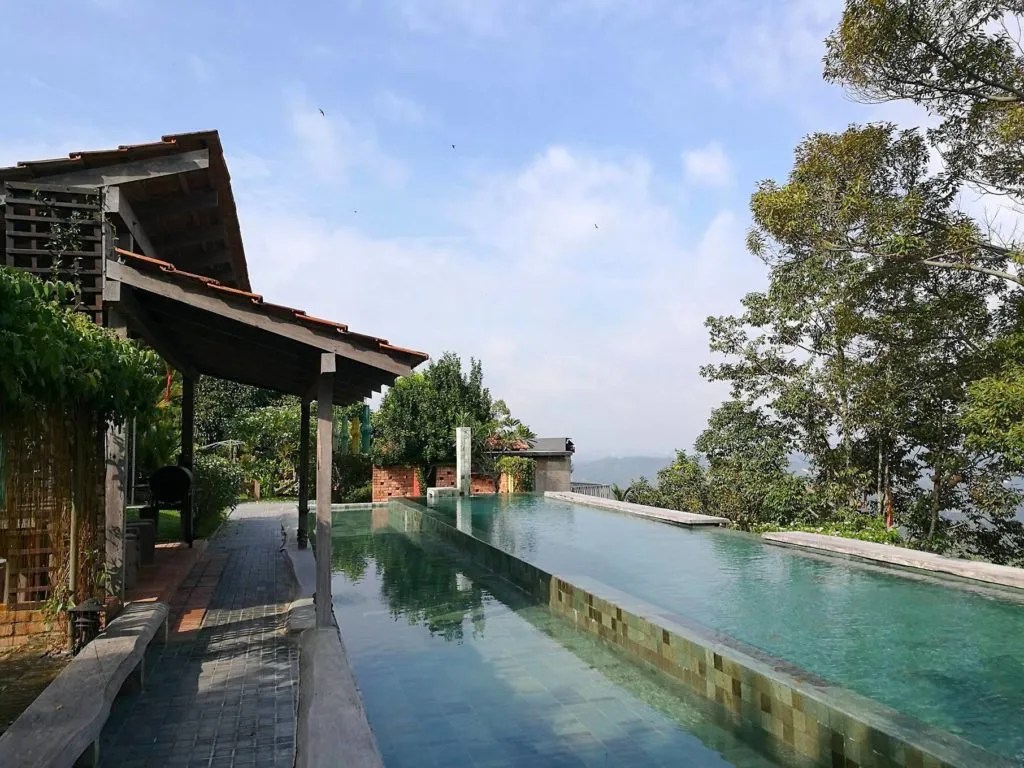
Embark on a journey through Remote Natural Retreats, where tranquility meets nature’s beauty in perfect harmony. Discover the allure of seeking solitude in secluded destinations that offer a refreshing escape from the chaos of everyday life.
Explore the unique features and benefits that set remote natural retreats apart from traditional accommodations, promising a rejuvenating experience like no other.
Remote Natural Retreats
Remote natural retreats are secluded accommodations located in pristine natural environments, away from the hustle and bustle of urban life. These retreats offer travelers a chance to disconnect from technology, immerse themselves in nature, and find peace and solitude.
The appeal of remote natural retreats lies in the opportunity they provide for travelers to escape the distractions of everyday life and reconnect with nature. For those seeking solitude, tranquility, and a break from the fast-paced modern world, these retreats offer a perfect getaway.
Characteristics of Remote Natural Retreats
- Isolated location, often surrounded by forests, mountains, or bodies of water
- Minimalistic accommodations, focusing on sustainability and eco-friendliness
- Opportunities for outdoor activities such as hiking, birdwatching, or stargazing
- Lack of Wi-Fi or cellular reception, promoting digital detox and mindfulness
Popular Remote Natural Retreat Destinations
- Patagonia, Chile: Offering remote lodges amidst stunning landscapes and wildlife
- Faroe Islands: Known for its rugged beauty and peaceful surroundings
- Blue Mountains, Australia: A UNESCO World Heritage site with secluded eco-resorts
- Denali National Park, Alaska: Home to remote cabins and wilderness lodges
Benefits of Remote Natural Retreats
Choosing to stay at a remote natural retreat can offer a plethora of benefits, ranging from mental health advantages to environmental sustainability.
Mental Health Benefits
Remote natural retreats provide a serene environment away from the hustle and bustle of city life. The peaceful surroundings, fresh air, and connection with nature can help reduce stress, anxiety, and improve overall mental well-being.
Environmental Impact
Promoting remote natural retreats encourages the preservation of natural landscapes and wildlife habitats. By limiting development in these areas, it helps protect biodiversity and reduces the carbon footprint associated with traditional accommodations.
Sustainable Tourism Contribution
Remote natural retreats often prioritize eco-friendly practices such as water conservation, energy efficiency, and waste reduction. By supporting these retreats, travelers can contribute to sustainable tourism efforts and help preserve the environment for future generations.
Unique Experiences
Unlike traditional accommodations, remote natural retreats offer unique experiences such as wildlife sightings, star-gazing, hiking in untouched landscapes, and connecting with local cultures. These experiences provide a deeper connection to nature and a sense of adventure that is unmatched in more urban settings.
Designing a Remote Natural Retreat

Creating a remote natural retreat involves careful consideration of key design elements to blend architecture with the surrounding environment while incorporating sustainable practices and technology.
Key Design Elements for Creating a Remote Natural Retreat
- Site Selection: Choose a location that offers stunning natural vistas and seclusion for guests.
- Materials: Use locally sourced, sustainable materials to minimize environmental impact.
- Integration: Design buildings to seamlessly blend with the landscape, preserving the natural beauty.
- Outdoor Spaces: Create outdoor living areas that allow guests to connect with nature.
Blending Architecture with the Surrounding Natural Environment
It is essential to design structures that harmonize with the natural surroundings, whether through mimicking local building styles or using earth tones that complement the landscape. By integrating architecture with nature, guests can experience a true escape and immerse themselves in the beauty of the retreat.
Sustainable Practices in Construction and Operation
- Energy Efficiency: Incorporate solar panels, energy-efficient appliances, and passive design strategies to reduce energy consumption.
- Water Conservation: Implement rainwater harvesting systems and low-flow fixtures to minimize water usage.
- Waste Management: Utilize recycling programs, composting, and eco-friendly products to reduce waste generation.
Incorporating Technology while Maintaining Remote Nature
While technology can enhance the guest experience, it is crucial to strike a balance between connectivity and seclusion. Consider providing limited Wi-Fi access, eco-friendly smart devices, and sustainable energy solutions to offer modern conveniences without compromising the remote atmosphere of the retreat.
Activities at Remote Natural Retreats
When visiting a remote natural retreat, guests can partake in a variety of activities that allow them to connect with nature, rejuvenate their minds, and immerse themselves in the beauty of the surroundings.
Outdoor Activities
Remote natural retreats typically offer a range of outdoor activities to help guests explore and appreciate the natural environment. Some common outdoor activities include:
- Hiking through scenic trails
- Kayaking or canoeing on tranquil waters
- Wildlife spotting and birdwatching
- Stargazing under clear night skies
- Camping in remote locations
Wellness and Mindfulness Activities
Remote natural retreats also focus on wellness and mindfulness activities to promote relaxation and inner peace. Some suitable activities in this setting include:
- Yoga sessions in nature
- Meditation and mindfulness practices
- Nature walks for grounding and reflection
- Spa treatments using natural ingredients
Connecting with Nature
Engaging in activities at remote natural retreats allows guests to disconnect from the hustle and bustle of daily life and reconnect with the natural world. By immersing themselves in outdoor pursuits and wellness practices, individuals can gain a deeper appreciation for nature’s beauty and find peace within themselves.
Supporting Local Communities
Remote natural retreats often collaborate with local communities to offer curated activities that showcase the region’s culture and traditions. By involving local guides, artisans, and experts, these retreats provide guests with authentic experiences while supporting the livelihoods of community members. Examples of activities that support local communities include:
- Guided tours led by indigenous community members
- Culinary classes featuring traditional dishes
- Art workshops with local artists
- Handicraft demonstrations showcasing local craftsmanship
In conclusion, Remote Natural Retreats redefine the essence of relaxation and connection with nature, providing an enriching sanctuary for those seeking a meaningful escape. Dive into the serenity of these hidden gems and embrace a holistic retreat experience that harmonizes mind, body, and soul.
Common Queries
What types of activities can I expect at Remote Natural Retreats?
You can indulge in outdoor adventures like hiking, wildlife spotting, and stargazing, or participate in wellness activities such as yoga, meditation, and spa treatments.
How do Remote Natural Retreats support local communities?
These retreats often collaborate with local artisans, guides, and businesses to offer authentic experiences and contribute to the economic growth of nearby communities.
Can I find modern amenities at Remote Natural Retreats?
While emphasizing a connection with nature, many retreats do offer modern amenities like Wi-Fi, electricity, and luxury accommodations to ensure a comfortable stay without compromising the remote experience.
Are Remote Natural Retreats suitable for solo travelers?
Absolutely! These retreats are perfect for solo travelers seeking solitude and introspection, providing a safe and peaceful environment for individual exploration and relaxation.